

Enhancing Urban Spaces with Floating Musical Fountains: A Guide for Professionals
May 09,2026
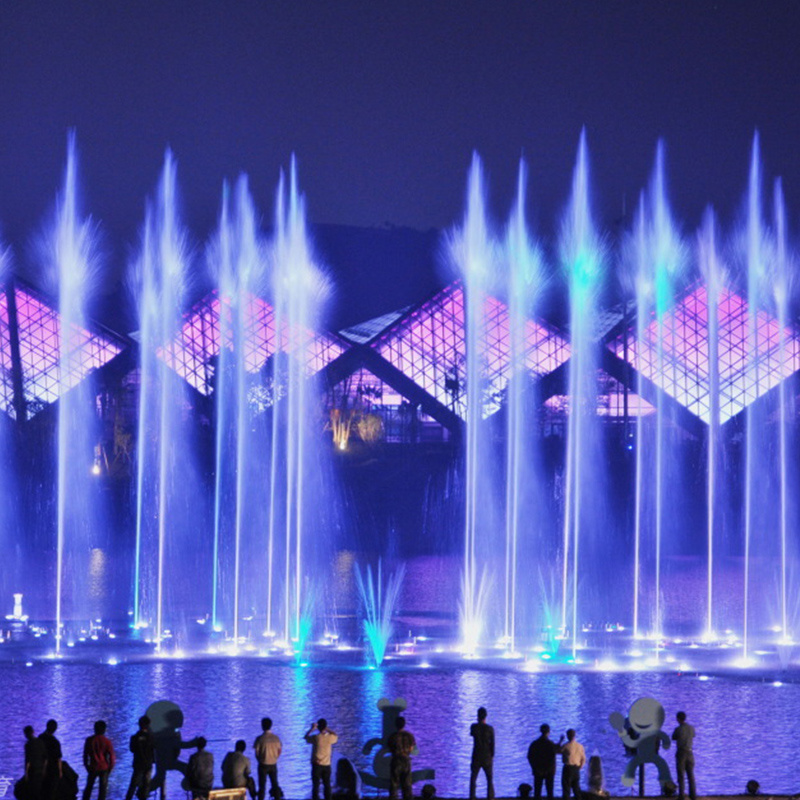
Floating musical fountains are a captivating blend of art and technology, serving as dynamic elements in urban landscapes. These installations combine water features with music and lighting to create a visually stunning experience that can enhance public spaces like parks, plazas, and waterfronts. For architects, engineers, and city planners, understanding the intricacies of floating musical fountains can greatly contribute to the aesthetic and functional value of urban projects.
The design of a floating musical fountain involves careful consideration of various factors. The primary components include water jets, sound systems, and lighting equipment. Water jets are responsible for creating the fountain's movement and patterns, which can be programmed to synchronize with music. This requires sophisticated hydraulic systems and control mechanisms to ensure that water responds accurately to audio cues. Additionally, the placement of the fountain is critical; it must be strategically located to maximize visibility and engagement while considering factors such as wind direction and surrounding landscape.
Incorporating technology into floating musical fountains is essential for achieving the desired effects. Most modern installations utilize computer systems that allow for the integration of music, lighting, and water choreography. This means that the fountain can perform intricate shows that change with different musical genres or seasonal themes. The ability to customize performances not only enhances the viewer's experience but also provides opportunities for promotional events and community engagement.
From an environmental standpoint, floating musical fountains can play a role in promoting sustainability. Many companies are now focusing on eco-friendly practices, including the use of energy-efficient lighting and water recycling systems. These innovations reduce the ecological footprint of the fountains while maintaining their aesthetic appeal, making them a suitable addition to eco-conscious urban developments.
Moreover, the maintenance of floating musical fountains is another critical aspect that professionals must consider. Regular upkeep is necessary to ensure that all components function correctly and continue to provide a captivating experience for visitors. This includes routine checks on the water quality, pump systems, and the integrity of the electrical components.
In conclusion, floating musical fountains represent a sophisticated intersection of art, technology, and environmental consciousness in urban design. For professionals in the construction and decorative materials industry, understanding the principles behind these installations can enhance project outcomes and contribute to creating vibrant, engaging urban environments. As cities continue to evolve, the integration of such innovative features will likely play a crucial role in shaping the future of public spaces.
The design of a floating musical fountain involves careful consideration of various factors. The primary components include water jets, sound systems, and lighting equipment. Water jets are responsible for creating the fountain's movement and patterns, which can be programmed to synchronize with music. This requires sophisticated hydraulic systems and control mechanisms to ensure that water responds accurately to audio cues. Additionally, the placement of the fountain is critical; it must be strategically located to maximize visibility and engagement while considering factors such as wind direction and surrounding landscape.
Incorporating technology into floating musical fountains is essential for achieving the desired effects. Most modern installations utilize computer systems that allow for the integration of music, lighting, and water choreography. This means that the fountain can perform intricate shows that change with different musical genres or seasonal themes. The ability to customize performances not only enhances the viewer's experience but also provides opportunities for promotional events and community engagement.
From an environmental standpoint, floating musical fountains can play a role in promoting sustainability. Many companies are now focusing on eco-friendly practices, including the use of energy-efficient lighting and water recycling systems. These innovations reduce the ecological footprint of the fountains while maintaining their aesthetic appeal, making them a suitable addition to eco-conscious urban developments.
Moreover, the maintenance of floating musical fountains is another critical aspect that professionals must consider. Regular upkeep is necessary to ensure that all components function correctly and continue to provide a captivating experience for visitors. This includes routine checks on the water quality, pump systems, and the integrity of the electrical components.
In conclusion, floating musical fountains represent a sophisticated intersection of art, technology, and environmental consciousness in urban design. For professionals in the construction and decorative materials industry, understanding the principles behind these installations can enhance project outcomes and contribute to creating vibrant, engaging urban environments. As cities continue to evolve, the integration of such innovative features will likely play a crucial role in shaping the future of public spaces.
Related Posts

Contact Us
E-mail :
Phone/WhatsApp:
Address:
No. 30 Yongxing Street, Shawan Town, Panyu District, Guangzhou City, Guangdong Province

Shuizhixing (Guangzhou) Fountain Landscape Engineering Co., Ltd. is a company specializing in music fountains, lighted water dance show grand theater, water curtain movies, cloud landscapes and cultural tourism industry water show interpretation, etc., integrating art, culture and technology.


Contact Us
Email: shuizhixingfountain.com
No. 30 Yongxing Street, Shawan Town, Panyu District, Guangzhou City, Guangdong Province
Quick Links
Request Quote