

Exploring Walk-on Water Fountain Factories: A Dive into Innovative Design and Construction
Jun 26,2026
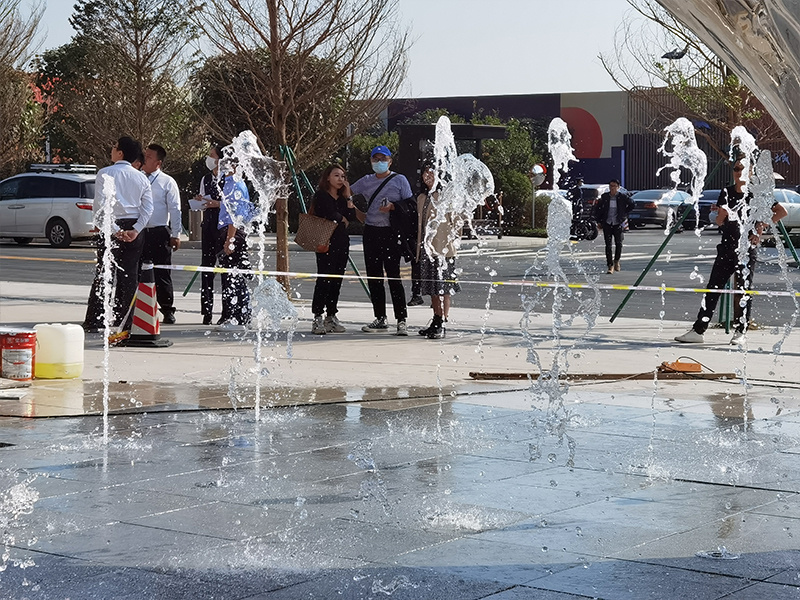
Walk-on water fountains are a stunning innovation in the realm of architectural design and outdoor decoration. These unique structures not only provide aesthetic enjoyment but also offer interactive experiences for visitors. As you explore the world of walk-on water fountain factories, you will gain insight into the materials and technologies used to create these remarkable installations.
A walk-on water fountain is designed to allow individuals to walk across the surface of the water, creating an illusion of walking on liquid. This is achieved through advanced engineering techniques that ensure safety and functionality. The foundation often consists of a durable, non-slip surface that is resistant to water while providing adequate support for pedestrians. Common materials used in the construction of these fountains include tempered glass, stainless steel, and specialized polymers that can withstand various environmental conditions.
One of the most appealing aspects of walk-on water fountains is their ability to integrate seamlessly into various landscapes, from urban parks to private gardens. When planning a walk-on water fountain, manufacturers often collaborate with architects and landscape designers to create an installation that is not only functional but also visually striking. This collaborative approach ensures that the final product meets the aesthetic desires of the client while adhering to safety standards.
In addition to the basic structural components, walk-on water fountains can incorporate advanced lighting systems, water features, and interactive elements. For example, LED lights can be embedded within the fountain to create vibrant displays that change color and intensity, enhancing the visual appeal during nighttime. Furthermore, some fountains may utilize sensors to create dynamic water patterns in response to movement, adding an interactive layer for visitors.
When considering the installation of a walk-on water fountain, it is essential to evaluate the environmental factors that may impact its performance. Factors such as local climate, seasonal changes, and environmental sustainability should be taken into account during the design and construction phases. Walk-on water fountain factories often conduct comprehensive assessments to ensure that their products are durable and environmentally friendly.
In conclusion, walk-on water fountain factories play a crucial role in the development of these innovative structures. By combining artistic design with functional engineering, they create installations that not only enhance public spaces but also invite interaction and awe. Understanding the manufacturing process and the materials involved can ultimately guide clients in selecting the perfect water feature for their needs. Whether it’s for a commercial project or a private residence, a walk-on water fountain can be a remarkable addition that captivates and engages all who encounter it.
A walk-on water fountain is designed to allow individuals to walk across the surface of the water, creating an illusion of walking on liquid. This is achieved through advanced engineering techniques that ensure safety and functionality. The foundation often consists of a durable, non-slip surface that is resistant to water while providing adequate support for pedestrians. Common materials used in the construction of these fountains include tempered glass, stainless steel, and specialized polymers that can withstand various environmental conditions.
One of the most appealing aspects of walk-on water fountains is their ability to integrate seamlessly into various landscapes, from urban parks to private gardens. When planning a walk-on water fountain, manufacturers often collaborate with architects and landscape designers to create an installation that is not only functional but also visually striking. This collaborative approach ensures that the final product meets the aesthetic desires of the client while adhering to safety standards.
In addition to the basic structural components, walk-on water fountains can incorporate advanced lighting systems, water features, and interactive elements. For example, LED lights can be embedded within the fountain to create vibrant displays that change color and intensity, enhancing the visual appeal during nighttime. Furthermore, some fountains may utilize sensors to create dynamic water patterns in response to movement, adding an interactive layer for visitors.
When considering the installation of a walk-on water fountain, it is essential to evaluate the environmental factors that may impact its performance. Factors such as local climate, seasonal changes, and environmental sustainability should be taken into account during the design and construction phases. Walk-on water fountain factories often conduct comprehensive assessments to ensure that their products are durable and environmentally friendly.
In conclusion, walk-on water fountain factories play a crucial role in the development of these innovative structures. By combining artistic design with functional engineering, they create installations that not only enhance public spaces but also invite interaction and awe. Understanding the manufacturing process and the materials involved can ultimately guide clients in selecting the perfect water feature for their needs. Whether it’s for a commercial project or a private residence, a walk-on water fountain can be a remarkable addition that captivates and engages all who encounter it.
PREVIOUS:
Related Posts

Contact Us
E-mail :
Phone/WhatsApp:
Address:
No. 30 Yongxing Street, Shawan Town, Panyu District, Guangzhou City, Guangdong Province

Shuizhixing (Guangzhou) Fountain Landscape Engineering Co., Ltd. is a company specializing in music fountains, lighted water dance show grand theater, water curtain movies, cloud landscapes and cultural tourism industry water show interpretation, etc., integrating art, culture and technology.


Contact Us
Email: Emily@shuizhixingfountain.com
No. 30 Yongxing Street, Shawan Town, Panyu District, Guangzhou City, Guangdong Province
Quick Links
Request Quote