

Exploring the Wonders of Floating Musical Fountains: A Guide for Professionals
Jul 28,2026
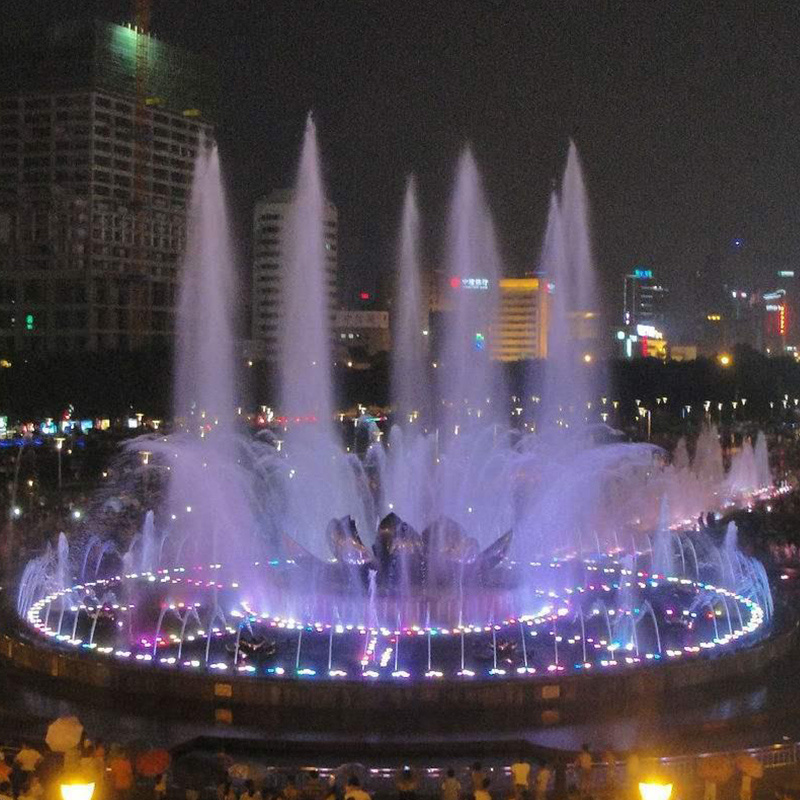
Floating musical fountains are a marvelous integration of water, light, and sound that create spectacular displays, often set in public parks, hotel lobbies, or urban centers. These fountains utilize advanced technology to synchronize water jets with music and lighting, producing an immersive experience for viewers. As a professional in the building and decoration materials industry, understanding the nuances of floating musical fountains can empower you to incorporate this captivating feature into your designs.
One of the key aspects of a floating musical fountain is its engineering. These fountains typically consist of a series of water jets that can be adjusted both in height and direction. By utilizing computerized controls, the jets can be programmed to respond to musical beats, creating a dynamic visual performance. Not only does this technology require precision engineering, but it also necessitates careful planning regarding the water source, drainage, and maintenance.
Design plays a crucial role in the success of a floating musical fountain. Professionals must consider the aesthetic elements, ensuring that the fountain complements its surroundings. Factors such as color, lighting, and the style of the water display are essential to creating an eye-catching feature. Additionally, the size and shape of the fountain can vary widely—ranging from small installations perfect for intimate settings to large-scale displays meant to be viewed from afar.
Beyond aesthetics and technology, floating musical fountains offer several benefits. They can act as focal points in public spaces, drawing visitors and enhancing the overall ambience of an area. Moreover, these fountains have the potential to promote community engagement, as they often serve as venues for events and celebrations. By investing in a floating musical fountain, communities can experience increased foot traffic and a greater appreciation for their public spaces.
From an environmental perspective, floating musical fountains can also contribute to sustainability practices. Many designs incorporate systems that recycle water, reducing the environmental impact. Additionally, advanced filtration systems can help maintain water quality, ensuring that the fountain remains an attractive feature for years to come.
In summary, floating musical fountains represent a blend of art and technology that can elevate architectural designs. As a professional in the building and decoration materials industry, understanding the intricacies of these installations can open new avenues for creativity and client satisfaction. Whether considering a project for public use or a private installation, the enchanting appeal of floating musical fountains is undeniable, making them a worthy investment for any landscape.
One of the key aspects of a floating musical fountain is its engineering. These fountains typically consist of a series of water jets that can be adjusted both in height and direction. By utilizing computerized controls, the jets can be programmed to respond to musical beats, creating a dynamic visual performance. Not only does this technology require precision engineering, but it also necessitates careful planning regarding the water source, drainage, and maintenance.
Design plays a crucial role in the success of a floating musical fountain. Professionals must consider the aesthetic elements, ensuring that the fountain complements its surroundings. Factors such as color, lighting, and the style of the water display are essential to creating an eye-catching feature. Additionally, the size and shape of the fountain can vary widely—ranging from small installations perfect for intimate settings to large-scale displays meant to be viewed from afar.
Beyond aesthetics and technology, floating musical fountains offer several benefits. They can act as focal points in public spaces, drawing visitors and enhancing the overall ambience of an area. Moreover, these fountains have the potential to promote community engagement, as they often serve as venues for events and celebrations. By investing in a floating musical fountain, communities can experience increased foot traffic and a greater appreciation for their public spaces.
From an environmental perspective, floating musical fountains can also contribute to sustainability practices. Many designs incorporate systems that recycle water, reducing the environmental impact. Additionally, advanced filtration systems can help maintain water quality, ensuring that the fountain remains an attractive feature for years to come.
In summary, floating musical fountains represent a blend of art and technology that can elevate architectural designs. As a professional in the building and decoration materials industry, understanding the intricacies of these installations can open new avenues for creativity and client satisfaction. Whether considering a project for public use or a private installation, the enchanting appeal of floating musical fountains is undeniable, making them a worthy investment for any landscape.
PREVIOUS:
Related Posts

Contact Us
E-mail :
Phone/WhatsApp:
Address:
No. 30 Yongxing Street, Shawan Town, Panyu District, Guangzhou City, Guangdong Province

Shuizhixing (Guangzhou) Fountain Landscape Engineering Co., Ltd. is a company specializing in music fountains, lighted water dance show grand theater, water curtain movies, cloud landscapes and cultural tourism industry water show interpretation, etc., integrating art, culture and technology.


Contact Us
Email: Emily@shuizhixingfountain.com
No. 30 Yongxing Street, Shawan Town, Panyu District, Guangzhou City, Guangdong Province
Quick Links
Request Quote